
Category Archives: SEO company in Kolkata

SEO company in Kolkata

How Zero-Click Search Optimization Is Redefining Organic Visibility

Introduction

You spent months building a solid SEO strategy. Your pages rank on Google. Your content is polished. But your website traffic keeps declining month after month. Sound familiar?

Here is the reality check you need. 64.82% of all Google searches now end without a click to any external website. The zero-click rate has climbed steadily from 50% in 2019 to nearly 65% in 2026. So even if you hold a page-one ranking, the majority of users are reading your answer inside Google and moving on without ever visiting your site.

This is not a bug in the system. This is the new operating environment for every business that depends on organic search. And the brands that keep measuring SEO success purely through website clicks are quietly falling behind those that understand a deeper truth: visibility today is not about clicks alone. It is about presence, authority, and consistently occupying the right spaces inside search results.

In this guide, you will understand exactly what zero-click search means for your business, why traditional SEO metrics are no longer enough, and how smart SEO services are helping brands stay visible in a fundamentally changed search landscape. Let’s get into it.

The Rise of Zero-Click Search Experiences

Go back to the original premise of Google. You searched; it pointed you to a website, you clicked and read. That entire model has been overhauled.

Ahrefs data show that Google AI Overviews now appear for 48% of all search queries as of March 2026, up from 34.5% in December 2025. That is a 58% surge in just three months. The fastest growth has been in informational and how-to queries, where AI Overviews now appear on more than 70% of results pages.

Google has fully transformed from a pointer into an answerer. It now serves featured snippets, knowledge panels, local packs, AI-generated summaries, People Also Ask boxes, and rich results, all before a user ever considers clicking a link. User intent is now satisfied before a visit even takes place, thanks to AI Overviews, Featured Snippets, Knowledge Panels, and Direct Answer Boxes.

What does this mean for businesses in Kolkata and across India?

It means that if your brand is not appearing inside these answer-first placements, you are invisible to an enormous and rapidly growing segment of your target audience. A forward-looking SEO company in Kolkata that understands this shift can help you build exactly the kind of presence that modern search formats reward.

Businesses investing in intelligent search engine optimisation strategies right now are the ones occupying the answer spaces that tomorrow’s customers will see first.

Understanding What Zero-Click Search Really Means for Businesses

Here is where most businesses get confused. They see zero-click data and assume SEO is broken. It is not broken. It has fundamentally evolved.

Zero-click search does not mean your brand is irrelevant. It means the definition of relevance has changed. Bain and Company’s primary research finds that 80% of consumers now rely on AI-generated results for at least 40% of their searches. These are not passive non-clicks. They are satisfactory answers. The user got exactly what they needed directly from Google.

Users are still actively interacting with search results. They are reading your featured snippet. They are scanning your knowledge panel entry. They are checking your local business listing and clicking your FAQ accordion directly inside the results page. Every one of these touchpoints builds brand recognition, even without a formal website visit.

How is zero-click search different from traditional search behaviour?

Traditional search was linear: rank, get clicked, convert. Zero-click search is ambient. Your brand appears, builds trust through repeated exposure, and converts later through direct searches, social channels, or referrals. A strong digital marketing agency approach today includes optimising for every SERP feature, not just the blue links sitting below all the zero-click elements.

Why Traditional Ranking Metrics No Longer Tell the Complete Story

For years, SEO strategy was built around two core metrics: rankings and click-through rates. Those metrics still matter. But they are no longer sufficient to measure what is actually happening.

Google AI Overviews reduce organic CTR by 15 to 46%, depending on query type, with the most rigorous studies confirming a 46.7% relative decline in clicks across 68,000 real queries. What this means in practice is that ranking number one does not deliver the traffic it once did, particularly on informational queries.

AI Overviews reduce organic CTR by an average of 18%, but the clicks that survive convert 23% better. Users who do click through have already read a summary and are seeking deeper information, making them significantly higher-intent visitors.

The new performance metrics are more comprehensive and significant. Brand search volume, search impression share, featured snippet occupancy rate, knowledge panel presence, AI Overview citation frequency, and voice search appearances are all becoming equally important signals of a healthy SEO strategy.

A seasoned SEO consultant or the best SEO company in Kolkata will tell you this directly: measuring your SEO performance only through organic traffic in 2026 gives you an incomplete and often misleading picture. Modern search visibility solutions track presence, authority, and brand recognition across the entire SERP ecosystem, because that is where the real story is being told.

How Featured Snippets Are Becoming Digital Real Estate for Brands

Think of a featured snippet as the most valuable billboard on the busiest highway in your city. The best part? You earn it through content quality, not advertising spend.

Analysis of 92 million search queries confirms that “how,” “what,” and “why” query prefixes collectively triggered 68.4% of all featured snippets in 2026, with “how” queries alone accounting for 31.2% of all snippet triggers and recording the highest snippet retention rate at 84.6%. Once a page earns a how-to snippet, it holds it for an average of 11.4 months before displacement.

Featured snippets appear in several formats: paragraph snippets for definitions and explanations, list snippets for step-by-step processes, table snippets for comparative data, and quick-answer boxes for single-fact queries. Each format represents a distinct opportunity for your brand to appear at position zero, directly above standard organic results.

Featured snippets now serve a dual purpose: they capture direct SERP real estate and feed the AI Overview engine with citation-worthy signals. Brands that master this format win visibility on two fronts simultaneously.

How do businesses earn featured snippets?

Structure your content to directly answer specific questions within 40 to 60 words, use descriptive question-based headings, and organise information with a clear logical flow. Pages that lead with concise, direct answers consistently outperform those that bury answers deep inside long narrative sections. An experienced SEO agency knows how to engineer content architectures that systematically capture these placements across multiple query types.

How Are AI-Generated Search Results Changing Organic Visibility?

This is the biggest shift in the modern search landscape. Google’s AI Overviews are not just another SERP feature. They represent a structural restructuring of how information reaches users.

Searches triggering AI Overviews now show an average zero-click rate of 83%, while traditional queries without AI Overviews average around 60%. In other words, 8 out of 10 users get their answer directly inside the search interface when an AI Overview is present.

Analysis of 432,000 keywords found that 97% of AI Overviews cite at least one source from the top 20 organic results. Five URLs from these top results are typically included in each AI Overview. Position 1 page appears in AI Overviews more than half the time, but ranking well is a signal, not a guarantee of citation.

So, what does this practically mean for your content strategy? It means topical authority matters enormously. Google’s AI consistently pulls from sources it considers trustworthy, semantically comprehensive, and consistently reliable across a topic. Brands that appear as cited sources within the AI Overviews report higher brand recognition metrics. Being cited inside an AI Overview is increasingly described as the new visibility currency.

Businesses need expert-driven content, clear semantic structures, and evidence of genuine knowledge depth. A technically skilled SEO service provider builds content ecosystems that signal deep authority to AI systems, ensuring your brand becomes a trusted source inside AI-generated answers rather than being invisible to them.

The Growing Importance of Structured Data in Zero-Click SEO

If featured snippets are the real estate, structured data is the building permit. Without it, you simply cannot construct the level of visibility of modern search demands.

Both Google and Microsoft stated in 2025 that structured data is critical for their generative AI features because it is efficient, precise, and easy for machines to process. Google’s Knowledge Graph, which contains over 500 billion facts about 5 billion entities, feeds directly into Gemini and AI Overviews.

Schema markup is the technical language that tells search engines exactly what your content means. It covers article schema for blog content, product schema for ecommerce, FAQ schema for question-based content, local business schema for physical locations, and review schema for credibility signals.

Based on Semrush data, pages using effectively deployed schema markup are three times as likely to appear in rich results. And the impact on user behaviour is measurable. One case study showed that before implementing structured data, a site had an average CTR of 2.8%. Within three months of rich snippets appearing with ratings and prices, CTR jumped to 4.9%, and organic traffic rose by 40% despite similar rankings.

For businesses serious about technical SEO, implementing structured data in 2026 is not optional. It is the foundation of any modern search result enhancement strategy. A skilled SEO expert who comprehends the strategic and technical aspects of schema implementation simultaneously improves your search visibility on both conventional and AI-powered search surfaces.

Why Topical Authority Matters More Than Individual Keywords

Here is what most businesses still get wrong. They chase individual keywords. Google in 2026 rewards comprehensive authority.

AI-driven search tools in 2026 do not browse pages the way humans do. They take responses from websites they deem knowledgeable. Answer engines analyse whether a site covers a topic completely, consistently, and clearly. If your site only answers part of a topic, AI tools skip it entirely.

Topic clusters, content hubs, entity optimisation, and semantic SEO architecture are the building blocks of topical authority. You need a central pillar page that covers a broad topic comprehensively, supported by cluster pages that dive deep into specific subtopics. The internal linking structure between these pages signals to search engines that your website owns this subject matter.

Why does topical authority matter more than keywords in a zero-click environment?

Google’s AI and featured snippet algorithms preferentially select content from sources that demonstrate consistent, deep expertise across interconnected topics. A website that publishes one article on a subject competes very weakly against a website that owns a comprehensive semantic neighbourhood around that entire subject. Investing in content marketing driven by topical authority is the most sustainable and AI-proof path to long-term organic visibility.

Can Businesses Benefit from Search Visibility Even Without Website Clicks?

Absolutely yes. And the evidence for this is growing stronger every quarter.

The critical reframe for 2026 is this: zero-click search is a redistribution of attention, not a disappearance of it. Users who see an AI Overview featuring your brand, even without clicking, have received a brand impression from a highly trusted source. Even in the absence of a click, significant value builds up at the citation level.

Consider this practical scenario. The name of your institution appears in a featured snippet, a knowledge panel, and a People Also Ask response on the same results page when a user searches for “best BCA colleges in Kolkata.” They do not click any of them. Three days later, they type your brand name directly into Google and convert. Traditional analytics credits the conversion to a branded direct search. Zero-click SEO created the awareness that made it possible.

Brand search volume is one of the most important metrics to track in 2026. When more people search specifically for your company name, it indicates your zero-click visibility is successfully building awareness that converts into direct searches later. A smart online marketing agency tracks brand search trends alongside traffic data to capture this full conversion picture and demonstrate the real value of zero-click presence.

The Connection Between Content Marketing and Zero-Click Optimisation

Content quality is not just important in a zero-click world. It is the single most important deciding factor.

Google selects sources for featured placements based on expertise, trustworthiness, and content depth. An AI Overview citation or a featured snippet will never be awarded to a thin page. There is no doubt that a thorough, organised, and question-answering content asset can and does.

Pages that bury answers inside long narrative sections are less likely to be cited by AI Overviews than pages that lead with clear, direct statements. For every target query, content should include a concise, definitive answer within the first 100 words of the relevant section, under clear subheadings that match the user’s question intent.

What type of content performs best in zero-click search environments in 2026?

Long-form, expert-driven content that answers multiple related questions within a single comprehensive resource consistently outperforms thin, keyword-heavy alternatives. Answers should be written in short, clear sentences, kept to approximately 40 to 60 words per direct answer. For list snippets, step-by-step instructions are effective. Tables make comparative data easy for Google to display directly within search results. This is precisely the kind of content-forward SEO strategy that high-performing digital marketing teams build for their clients today.

How Local SEO Is Adapting to the Zero Click Revolution

Local businesses face a uniquely pressing version of this challenge. A user searching for a restaurant in Park Street or a coaching centre in Salt Lake City often gets everything they need from the local pack directly: business name, address, phone number, hours, ratings, and photos. No click required.

This makes local SEO optimisation more critical than ever before, not less. Your Google Business Profile must be fully completed, consistently updated, and actively managed. Your business name, address, and phone number must be identical across all directories. Your review count and average rating directly influence local pack visibility. Location-based keywords must appear naturally within your site content, metadata, and service descriptions.

Google Search Console now shows impression data for featured snippets and knowledge panels, which you should use as a leading indicator of zero-click visibility growth, even when click numbers stay flat. Appearing prominently in local packs and map results drives phone calls, direction requests, and physical store visits, all of which are conversion actions that happen without a traditional website click. A dedicated local SEO specialist ensures your business consistently owns these high-value local placements across Kolkata and your surrounding market.

Conclusion

Zero-click search is not a temporary trend that will reverse itself. It is a permanent and accelerating evolution in how people find information online. According to Gartner projections, by the end of 2026, 25% of organic search traffic will shift to AI chatbots and voice assistants, a structural change affecting every industry without exception.

Businesses that continue measuring SEO success only through website traffic will keep feeling confused as their rankings hold steady while their clicks decline. The smarter play is to fundamentally redefine what visibility means: consistent presence across featured snippets, knowledge panels, AI-generated summaries, local packs, and rich results.

In 2026, your SEO strategy is also a statement about what you want Google’s AI to say about you. Businesses that embrace structured content, semantic optimisation, topical authority, and AI-compatible SEO strategies today are building exactly the kind of search presence that remains competitive tomorrow and beyond. The question is no longer whether zero-click search has changed the rules. It absolutely has. The real question is whether your SEO strategy has kept pace.

How Keyline Digitech Is Helping Businesses Win in the Zero Click Era

Adapting to zero-click search is not something any business figures out overnight. It requires deep technical SEO expertise, a strong grasp of AI-driven search behaviour, structured data implementation skills, and a content strategy built for how Google actually works in 2026.

Keyline Digitech is a results-driven SEO company in Kolkata that specialises in exactly this kind of forward-thinking digital visibility. From schema markup and featured snippet optimisation to semantic content architecture, topical authority building, and local SEO, the team builds comprehensive search visibility solutions tailored to the unique needs of businesses across West Bengal and beyond.

Whether your brand needs to dominate local packs, earn consistent citations inside AI-generated search summaries, or build a topical content ecosystem that positions you as an undeniable industry expert, Keyline Digitech delivers the strategy, the execution, and measurable results. As a trusted best SEO company in Kolkata and SEO service provider in Kolkata, Keyline Digitech is equipped to help your brand not just survive the zero-click era but fully thrive inside it.

Ready to future-proof your organic visibility? Connect with Keyline Digitech at keylines.net and start building the search presence your business deserves today.

Frequently Asked Questions

1. What is zero-click search, and why is it important for my company?

Zero-click search happens when Google answers a user’s query directly on the results page. It matters because your brand gains visibility and trust with potential customers even when they never visit your website.

2. How can my business appear in featured snippets in 2026?

Structure your content to directly answer specific questions in 40 to 60 concise words under descriptive question-based headings. Lead with the answer, provide supporting context, and use clear semantic HTML formatting throughout.

3. Do AI Overview citations benefit from structured data?

Indeed. Schema markup greatly enhances brand presence and authority across all contemporary SERP features by assisting search engines in accurately understanding your content and qualifying it for rich results and AI Overview citations.

4. Is local SEO still relevant in a zero-click search world?

More relevant than ever. Local packs are inherently zero-click features that drive direct calls, visits, and direction requests. Appearing prominently in local results builds brand recognition and delivers conversions without requiring a traditional click.

5. How does topical authority improve zero-click visibility in 2026?

AI systems and search engines now select sources based on comprehensive topic coverage, not just individual page quality. Building content hubs around broad subjects signals deep expertise and earns consistent citations in featured answers and AI-generated responses.

SEO Company in Kolkata

How SEO Companies in Kolkata Are Blending Machine Learning with Human Strategy

Introduction

The SEO game has changed dramatically. If you continue to adhere to the traditional rules, you are already at a disadvantage.

A few years ago, stuffing your webpage with keywords and building a handful of backlinks was enough to rank. Not anymore. Google’s algorithm now processes search queries using sophisticated AI models that understand context, behaviour, and intent at a human-like level.

This shift has left many businesses confused and stuck with falling organic traffic, poor SERP visibility, and zero conversions. The risk of ignoring this evolution is real. Your competitors are already using AI-driven SEO strategies to outrank you while you sleep.

But here’s the good news. The best SEO company in Kolkata is no longer just optimising pages. They’re blending machine learning with human creativity to build strategies that actually deliver results.

By the end of this article, you’ll understand exactly how this works and why it matters deeply for your business growth.

The Shift from Traditional SEO to AI-Augmented Strategy

Traditional SEO was largely rule-based. You picked keywords, placed them strategically, built links, and waited. Simple, right? Well, those days are long gone.

Search engines like Google now deploy AI models such as RankBrain, BERT, and MUM to interpret search queries with enormous contextual intelligence. These models don’t just match keywords. They evaluate user behaviour, session signals, content depth, and semantic relationships to determine relevance.

According to Google, BERT now affects nearly every English query, processing the nuance of natural language rather than isolated terms. This fundamentally breaks traditional keyword-centric approaches.

Leading SEO services in Kolkata have recognised this shift early. Agencies like Keyline Digitech are actively combining data-driven SEO campaigns with strategic human thinking. Instead of reacting to algorithm updates after the fact, they’re building forward-looking strategies that anticipate changes.

Modern SEO ranking algorithms are predictive. They reward websites that demonstrate consistent relevance, authority, and user satisfaction. The agencies winning today are those that blend machine precision with human judgment to deliver exactly that.

Understanding AI in SEO: Machine Learning as the Core Engine

Think of machine learning as the engine running underneath every smart SEO decision. It processes data at a scale no human team could ever match manually.

ML models within SEO ecosystems analyse thousands of ranking signals simultaneously. They detect SERP fluctuations, identify competitor movement patterns, evaluate engagement metrics, and uncover keyword opportunities in real time. SERP analysis tools powered by AI can process months of ranking data within minutes, revealing patterns that would otherwise remain invisible.

Predictive SEO modelling takes this further. By training models on historical ranking data, these systems forecast which pages are likely to gain or lose positions based on current signals. This gives SEO teams a significant strategic advantage.

A 2023 Semrush study found that businesses using AI keyword research tools experienced up to 40% faster keyword discovery cycles than with manual methods. That’s not a marginal gain. That’s a competitive leap.

Agencies integrating advanced SEO analytics tools into their workflows can make campaign decisions backed by hard data rather than gut feelings. This precision is what separates high-performing digital marketing agencies in Kolkata from the rest of the pack.

Search Intent Mapping with AI: Moving Beyond Keywords

Keywords are just the surface. What truly drives rankings today is understanding why someone is searching, not just what they’re searching for.

Search intent optimisation powered by AI categorises every query into four core buckets: informational, navigational, transactional, and commercial. Machine learning models analyse billions of past user interactions to classify these patterns with remarkable accuracy.

For example, someone searching “best SEO company in Kolkata” has clear commercial intent. They’re comparing options before making a decision. A page optimised purely for the keyword, without addressing the decision-making context, will underperform.

AI keyword research tools now map queries to intent clusters automatically, allowing SEO teams to build content strategies that genuinely match user expectations. Behavioural data such as click-through rates, dwell time, and scroll depth further refine these intent models over time.

A BrightEdge study found that 68% of online experiences begin with a search engine, and pages that align with exact search intent see significantly higher engagement and conversion rates. This isn’t a coincidence. It’s the result of smarter, intent-driven targeting.

Conversion-focused SEO depends on getting this right. If your content answers the right question at the right stage of the buyer journey, conversions follow naturally. SEO companies in Kolkata using intent-mapping frameworks are already seeing the difference in their clients’ bottom lines.

AI-Powered Technical SEO: Automating Precision at Scale

Technical SEO used to be painfully manual. Crawling thousands of pages, hunting for broken links, and diagnosing indexing issues could take weeks. AI has changed that completely.

SEO audit automation tools now crawl entire websites in hours and produce detailed diagnostic reports covering crawl errors, redirect chains, duplicate content, orphaned pages, missing schema markup, and Core Web Vitals performance gaps. What took a team days now happens overnight.

Machine learning models within technical SEO services can also detect patterns in crawl data that signal deeper structural issues. For instance, a sudden drop in crawl frequency by Googlebot often indicates site speed problems or server errors. AI tools flag these anomalies before they tank rankings.

Google’s Core Web Vitals have become critical ranking signals. According to Google’s own data, pages that meet Core Web Vitals thresholds see a 24% lower abandonment rate compared to those that don’t. AI tools allow agencies to monitor these thresholds continuously and prioritise fixes based on their ranking impact.

Keyline Digitech combines automated audit intelligence with hands-on technical expertise to address both the detection and the resolution of issues. Automation finds the problem. Human expertise fixes it the right way.

Content Optimisation with AI and NLP: Building Topical Authority

Content is still king. But creating content that ranks today requires a much deeper understanding of how search engines process language.

Content optimisation using NLP allows SEO teams to move beyond keyword density and into semantic relevance. Natural Language Processing models analyse how words, phrases, and topics relate to one another within the context of a search query. Google’s own NLP systems evaluate content for topical completeness, not just keyword presence.

AI-driven SEO strategies for content now include topic clustering, where related content pieces are grouped under a central pillar page. This structure signals topical authority to search engines, dramatically improving the chances of ranking across a cluster of related queries.

AI tools also analyse competitor content gaps. By evaluating the top-ranking pages for any keyword, these tools identify what topics, subtopics, and entities are consistently present and what’s missing. SEO teams can then create content that is objectively more comprehensive.

A Conductor survey found that organic search drives 51% of all website traffic on average, and websites with structured topical authority consistently outperform those publishing isolated, standalone pieces.

On-page SEO optimisation guided by NLP insights ensures every heading, meta tag, internal link, and content section contributes to a coherent, semantically rich experience. Keyline Digitech places strong emphasis on this approach, combining AI-generated content intelligence with skilled editorial execution.

Human Strategy Layer: Why AI Alone Cannot Deliver Results

Here’s where a lot of people get it wrong. They assume that if they just plug in an AI tool, the rankings will come. They won’t.

AI is extraordinary at processing data and identifying patterns. But it has no understanding of your brand voice, your audience’s emotional triggers, or the nuanced storytelling that makes a piece of content truly connect with real humans. It doesn’t know your business goals or your competitors’ weaknesses beyond what’s quantifiable.

Human strategists bring irreplaceable value to data-driven SEO campaigns. They interpret AI outputs through the lens of business context. They craft narratives that resonate. They make judgment calls about which opportunities to pursue and which to deprioritise. They manage client relationships and align SEO goals with broader marketing objectives.

The most effective advanced SEO solutions are built on a collaboration model. AI handles the heavy data lifting. Human experts direct the strategy, validate the insights, and execute with creative precision.

SEO companies in Kolkata that understand this balance deliver campaigns that perform both in search rankings and in business outcomes. Numbers and creativity must work together. One without the other simply doesn’t produce the results clients actually need.

Predictive SEO: Forecasting Trends and Market Behaviour

Reactive SEO is expensive. You wait for a trend to explode, then scramble to create content, build links, and optimise pages. By the time you’re ready, your competitors have already captured the traffic.

Predictive SEO modelling flips this approach entirely. Machine learning models analyse historical search volume data, seasonal patterns, industry news signals, and user behaviour shifts to forecast what topics and keywords will surge in demand months ahead.

Google Trends data combined with ML forecasting allows agencies to identify emerging opportunities and create content before the competition even realises the trend exists. This proactive positioning builds authority early and captures traffic at its peak rather than its tail.

A McKinsey report highlighted that companies using predictive analytics in their marketing strategies see up to 20% improvement in ROI compared to those relying on reactive decision-making. Organic traffic growth strategies built on predictive models produce compounding results over time.

Keyline Digitech incorporates predictive intelligence into its campaign planning process, ensuring clients are positioned advantageously ahead of demand curves rather than chasing them.

Data-Driven SEO Campaigns: Real-Time Optimisation and Reporting

SEO performance tracking used to mean checking rankings once a week and sending a monthly PDF report. That approach is obsolete.

Real-time analytics platforms now track user journeys from the first click to the final conversion. They capture micro-signals like scroll behaviour, CTA interactions, internal navigation paths, and session duration. These signals feed directly back into campaign optimisation decisions.

Backlink analysis tools powered by AI continuously monitor link profiles for toxic links, lost backlinks, and new linking opportunities, flagging changes before they become ranking problems. SERP analysis tools track position movements hourly and correlate shifts with content changes, competitor activity, or algorithm updates.

Transparent, data-rich reporting is a hallmark of quality SEO service in Kolkata. Clients deserve to understand exactly what’s moving, why it’s moving, and what the next steps are. Keyline Digitech builds its reporting framework around clarity and accountability, connecting every metric back to measurable business outcomes.

Local SEO with AI: Dominating Kolkata’s Competitive Market

Kolkata is a thriving commercial hub with intense competition across virtually every industry. Standing out in local search requires more than just mentioning your city in a few headings.

Local SEO services powered by AI analyse hyperlocal search patterns, voice query behaviours, and neighbourhood-level keyword trends to identify exactly where search demand exists within the city. Machine learning models identify which localities, landmarks, and service-area terms drive the highest-intent traffic.

Voice search is growing rapidly. According to PwC, 65% of people aged 25 to 49 speak to their voice-enabled devices at least once daily. Voice queries are highly local, conversational, and intent-rich. AI helps optimise content and Google Business profiles to capture this growing traffic source.

Geo-targeted content, structured local citations, and AI-optimised Google Business profiles work together to strengthen local visibility. Keyline Digitech’s deep understanding of Kolkata’s commercial landscape combines with AI-powered local intelligence to help businesses dominate their local market segments.

The Future of AI-Augmented SEO in Kolkata

The trajectory is clear. AI will continue reshaping search at an accelerating pace. Google’s Search Generative Experience (SGE) is already changing how results are displayed. AI-generated answer boxes, real-time personalisation, and multimodal search are becoming part of everyday search behaviour.

AI-driven SEO strategies must evolve in response. This means optimising for conversational queries, structured data, entity-based search, and generative AI summaries. It also means doubling down on E-E-A-T (Experience, Expertise, Authoritativeness, and Trustworthiness) signals that AI systems use to evaluate content quality.

Keyline Digitech, with years of experience navigating SEO’s constant evolution, is positioned well for this future. By continuously integrating emerging tools with proven strategic frameworks, they help Kolkata businesses maintain strong search visibility even as the landscape shifts beneath everyone’s feet.

Conclusion

AI-augmented SEO is not a buzzword. It’s the new operating standard for businesses that want to grow through search. From AI keyword research tools and SEO audit automation to content optimisation using NLP and predictive SEO modelling, machine learning has fundamentally transformed how SEO works at every level.

But technology alone isn’t the answer. The agencies delivering real, measurable results are those that combine AI’s analytical power with human creativity, brand understanding, and strategic thinking. Data-driven SEO campaigns need human judgment to translate numbers into meaningful growth.

SEO companies in Kolkata that master this blend are not just optimising websites. They’re building long-term digital assets that compound in value over time. Keyline Digitech exemplifies this approach, delivering organic traffic growth strategies powered by intelligence and executed with expertise.

The businesses that thrive in search tomorrow are investing in the right partnerships today. Don’t wait for your competitors to lap you. The time to act is now.

Ready to Dominate Search? Partner with Kolkata’s AI-Forward SEO Experts Today!

Your business deserves more than cookie-cutter SEO. It deserves a strategy built on real data, smart technology, and genuine expertise. Keyline Digitech brings together cutting-edge AI-driven SEO strategies and deep local market knowledge to deliver rankings that actually move your revenue needle.

Whether you need technical SEO services, local SEO services, or a complete digital marketing experience in Kolkata, Keyline Digitech has the tools, the team, and the track record to make it happen.

Get in touch with Keyline Digitech today and take the first step toward measurable, sustainable growth in search.

Frequently Asked Questions (FAQs)

1. What makes an SEO company in Kolkata different from a generic SEO agency?

A Kolkata-based SEO company understands the local market, competition landscape, and regional user behaviour, allowing them to create more targeted and effective local SEO services for businesses operating in the city.

2. How do AI keyword research tools improve SEO performance?

AI keyword research tools analyse search patterns, competition levels, and user intent simultaneously, helping SEO teams discover high-value opportunities faster and build strategies that align precisely with what real users are searching for.

3. Is human expertise still necessary with AI handling most SEO tasks?

Absolutely. AI provides data and automation, but human strategists interpret insights, craft brand-aligned narratives, and make nuanced decisions that AI cannot replicate. Both elements are essential for effective advanced SEO solutions.

4. How does predictive SEO modelling benefit my business?

Predictive SEO modelling forecasts upcoming search trends, allowing your agency to create optimised content before demand peaks. This proactive approach captures traffic early and consistently improves your organic traffic growth strategies over time.

5. How long does it take to see results from AI-augmented SEO campaigns?

Results typically begin appearing within three to six months, depending on competition and website authority. Data-driven SEO campaigns with continuous real-time optimisation tend to accelerate growth timelines significantly compared to traditional approaches.

SEO company in Kolkata

Search Visibility Engineering: How SEO, UI/UX, and Core Web Vitals Collide

Introduction

Let’s be real for a second. Ranking on Google in 2026 feels less like marketing and more like engineering. You publish content, build links, tick every “SEO checklist” box, and still… nothing moves. Traffic stays flat. Rankings wobble. Leads ghost you.

Annoying, right?

Here’s the uncomfortable truth most businesses ignore: search visibility today has very little to do with keywords alone. Google no longer ranks pages. It ranks experiences.

If your website loads slowly, feels confusing, jumps around while loading, or frustrates mobile users, Google notices. More importantly, users notice. And when users bounce, hesitate, rage-click, or abandon sessions, Google’s systems quietly downgrade your visibility. No penalty notice. No warning. Just slow, painful invisibility.

This is where search visibility engineering comes into the scene.

Modern SEO is no longer about isolated tactics. It lives at the intersection of digital marketing, which includes UI/UX driven SEO, technical SEO architecture, and ruthless.

Core Web Vitals optimisation. It blends psychology, design, performance, and code into one unified system that aligns with how Google actually measures quality.

Consider this stat: according to Google’s own data, a 1-second delay in mobile page load can reduce conversions by up to 20%, and pages that fail Core Web Vitals thresholds see measurable ranking suppression over time. In India, where over 75% of users browse primarily on mobile, poor performance becomes an SEO death sentence.

If you keep reading, you’ll learn how SEO, UI/UX, and performance collide. You’ll see why poor design silently kills rankings. And you’ll understand why the professionals of the best SEO company in Kolkata today behave less like marketers and more like engineers building scalable, search-first systems.

No fluff. No myths. Just how visibility actually works now.

Why Search Visibility Is No Longer Just an SEO Problem

Search visibility used to be simple. Pick keywords. Write content. Build backlinks. Wait. That playbook worked in 2012. Google has moved on. Hard.

Today, search visibility emerges from multiple systems working together. Google evaluates page experience signals, user engagement metrics in SEO, loading stability, interaction quality, and content satisfaction. Though they no longer hold the crown, keywords are still important.

Google’s ranking systems now ingest massive volumes of real-user data from Chrome UX reports. These datasets track how real people interact with real pages under real network conditions. If users hesitate, struggle, or abandon pages, rankings suffer.

In India, this effect multiplies. According to Statista, India crossed 750 million smartphone users, and most access the web through mid-range Android devices on inconsistent networks. That means website performance optimisation directly affects visibility.

Here’s where many businesses mess up. They treat SEO as a marketing task. Designers focus on aesthetics. Developers focus on features. SEO teams focus on keywords. Nobody owns the system as a whole.

That fragmentation kills results.

Modern SEO companies in Kolkata now solve structural problems. They fix crawl paths, reduce render-blocking scripts, align layouts with search intent design, and engineer journeys that guide users smoothly. Visibility becomes a byproduct of coherence.

Search visibility is no longer won through hacks. It gets engineered through collaboration, data, and ruthless user-first thinking.

From Traditional SEO to Search Visibility Engineering

Traditional SEO focused on surface-level optimisation. Meta tags, headings, keyword density, backlinks. Useful, but shallow by today’s standards.

Modern SEO operates deeper in the stack. Google now renders pages, executes JavaScript, evaluates layout stability, and tracks post-click behaviour. Indexing depends on website crawl efficiency, rendering health, and logical architecture.

Here’s a harsh stat: studies from technical SEO audits in India show that over 60% of websites suffer from JavaScript rendering issues, blocking proper indexing. These sites publish great content that Google barely sees.

This is why search visibility engineering exists. It merges technical SEO architecture, UX logic, and performance engineering into one growth framework. Instead of reacting to ranking drops, engineers design systems that prevent them.

Indian websites often fail due to silos. Designers add heavy animations. Developers add third-party scripts. SEO teams patch problems later. By then, damage is done.

The best SEO company in Kolkata now embeds SEO at the design and development stage. They optimise rendering paths, internal linking, and content flow before pages ever go live. SEO becomes preventative, not reactive.

This shift separates tacticians from engineers.

The UI/UX Factor: How Design Choices Shape Search Performance

UI/UX decisions quietly control SEO outcomes. Google may not “see” design, but it sees behaviour. And behaviour never lies.

Confusing navigation increases bounce rates. Intrusive pop-ups interrupt reading flow. Poor hierarchy hides important content. Weak mobile usability frustrates users. All of these send negative satisfaction signals.

According to Google research, users are 32% more likely to bounce when page load time increases from 1 to 3 seconds. Add poor UX, and the damage compounds.

For Indian users, speed and clarity matter even more. Mobile-first audiences expect instant feedback. If buttons feel laggy or layouts shift, trust evaporates.

This is where SEO-friendly UI design becomes critical. Clear menus, logical content grouping, readable typography, and intuitive CTAs keep users engaged. Engagement improves search experience optimisation naturally.

Smart SEO and UX integration ensures users land, understand, and act without friction. SEO companies in Kolkata must align UX with intent, not aesthetics alone. Pretty pages that confuse users rank poorly. Useful pages that guide users win.

Core Web Vitals as Ranking Signals, Not Technical Extras

Core Web Vitals changed the game by making performance measurable, comparable, and enforceable.

Largest Contentful Paint measures loading speed. Interaction with Next Paint tracks responsiveness. Cumulative Layout Shift measures visual stability. These metrics reflect how humans feel pages, not how developers test them.

Google confirmed that pages meeting Core Web Vitals thresholds gain a competitive advantage in rankings. In India, where slow servers and heavy images dominate, this matters.

Real data shows that only around 40% of Indian websites pass Core Web Vitals on mobile, according to CrUX-based studies. That leaves a massive opportunity.

Poor optimisation hurts twice. Users leave. Rankings drop. Trust collapses. Modern enterprise-grade SEO engineering fixes this by compressing images, deferring scripts, optimising fonts, and stabilising layouts. SEO companies now work hand-in-hand with developers to meet thresholds consistently.

Performance is no longer optional polish. It’s a ranking currency.

Mobile-First Indexing and the Indian User Reality

Google’s mobile-first indexing is not a future update. It is the present rulebook. Google now evaluates, indexes, and ranks websites primarily based on their mobile experience, not desktop versions. If your mobile site struggles, your rankings suffer, no matter how polished your desktop layout looks.

This reality hits Indian businesses harder than most global markets. According to Statista and TRAI-backed data, over 78% of India’s internet users access websites exclusively through mobile devices, and a majority of them use mid-range Android phones with limited processing power. Add inconsistent 4G and emerging 5G coverage, and the margin for error shrinks fast.

Here’s the problem: many Indian websites still design for desktop first and “adjust” for mobile later. That approach breaks mobile-first indexing completely. Heavy images, bloated scripts, complex animations, and poorly scaled layouts slow down downloading, block interactions, and frustrate users. Google notices this friction through page experience signals and quietly demotes rankings.

Mobile optimisation today is not just about responsiveness. It is about search experience optimisation built for real Indian usage patterns. That means lightweight assets, simplified navigation, thumb-friendly UI elements, and content structures that load instantly without visual jumps. Every tap delay and layout shift increases abandonment risk.

This is where advanced SEO professionals step in as engineers. They analyse Indian mobile user behaviour, device constraints, and network conditions. They design SEO- friendly UI design systems that prioritise speed, clarity, and intent alignment. They optimise mobile UX as a foundational ranking strategy, not an afterthought.

Mobile-first indexing rewards websites that respect user reality. Indian businesses that engineer mobile experiences correctly gain durable rankings. Those who ignore it bleed visibility slowly and silently.

How UX Metrics Quietly Influence SEO Rankings

Google rarely talks openly about behavioural metrics, yet its ranking systems continuously learn from user interaction patterns. Metrics such as scroll depth, content consumption flow, and interaction pacing help Google evaluate whether a page satisfies search intent.

This influence happens quietly. No alerts. No penalties. Rankings simply drift downward when users disengage.

Well-structured content layouts, readable typography, logical spacing, and intuitive CTAs improve user engagement metrics in SEO organically. Users scroll more. They read longer. They interact without friction. Over time, Google interprets these patterns as signals of relevance and satisfaction.

For Indian audiences, clarity matters more than cleverness. Dense text blocks, cluttered layouts, and confusing navigation push users away. Clean layouts with clear visual hierarchy keep users anchored. This improves dwell behaviour and stabilises rankings.

For service-based Indian businesses, UX optimisation connects directly to lead quality. Better SEO and UX integration reduces accidental clicks and low-intent visits. Traffic quality improves. Conversion paths shorten. Organic growth becomes predictable.

SEO companies that understand UX metrics engineer layouts to guide attention, not distract it. Rankings follow engagement, not tricks.

The Role of Technical SEO in Bridging UX and Performance

Technical SEO acts as the connective tissue between design, performance, and discoverability. Without it, even the best UX fails to rank.

Rendering issues caused by excessive JavaScript, unoptimised lazy loading, and blocked resources prevent Google from fully understanding pages. Poor internal linking disrupts website crawl efficiency. Heavy client-side rendering delays content visibility for users and bots alike.

Many Indian websites unknowingly sabotage their SEO by prioritising visual effects over technical stability. Sliders, animations, and third-party scripts often inflate load times and degrade responsiveness.

This is where technical SEO architecture becomes critical. Skilled SEO teams audit rendering paths, optimise script execution, streamline internal linking, and ensure that content remains accessible during initial load. Technical SEO resolves conflicts between aesthetics and crawlability.

For an SEO company in Kolkata with teams with engineering depth, technical SEO is not separate from UX. It enables UX to function at scale. It ensures that what users see, Google can index. That alignment turns design into a ranking asset.

Search Visibility Engineering for Indian Businesses at Scale

Scalable SEO growth demands stability. Redesigns, platform migrations, content expansions, and traffic spikes often trigger ranking volatility when systems lack cohesion.

Search visibility engineering prevents these failures by integrating SEO, UX, and performance into a single operating framework. Every design decision considers crawlability. Every performance improvement considers engagement. Every content update aligns with intent and architecture.

For Indian startups and enterprises, this approach reduces risk. Rankings remain stable during growth phases. Performance remains consistent across devices. User trust compounds over time.

Advanced enterprise-grade SEO engineering focuses on building resilient systems. These systems adapt to algorithm updates, evolving user behaviour, and increasing competition without constant firefighting.

The best SEO company in Kolkata no longer chases short-term wins. It engineers visibility that survives scale.

Why the Future of SEO Belongs to Engineers, Not Tacticians

SEO success today emerges from systems, not tactics. Keyword placement without UX fails. UX without performance collapses. Performance without crawlability goes unnoticed.

Google’s ranking ecosystem now rewards alignment between UI/UX driven SEO, core web vitals optimisation, and technical execution. These elements function as one unified machine.

For Indian businesses competing in saturated SERPs, tactical SEO is no longer enough. Engineers build ranking systems. Tacticians chase symptoms.

Partnering with an SEO company in Kolkata that understands design logic, development constraints, and performance engineering is no longer optional. It defines whether a brand grows or disappears from search.

Conclusion

Search visibility has evolved into an engineering discipline. Google rewards websites that deliver clarity, speed, and stability across real-world conditions. Behavioural signals tied to UX clarity, interaction depth, and loading consistency now shape rankings decisively.

Poor design decisions sabotage SEO quietly. Slow pages repel users. Confusing layouts increase abandonment. Performance issues erode trust. Google records every signal.

Search visibility engineering aligns SEO, UX, and performance into a cohesive system. Advanced SEO companies optimise design systems, layouts, and user journeys to match ranking algorithms and human behaviour simultaneously.

Indian businesses that adopt this approach gain sustainable visibility, stronger engagement, and predictable growth. Those who rely on outdated tactics face declining relevance.

SEO no longer rewards shortcuts. It rewards engineering discipline.

Frequently Asked Questions

1. Why is search visibility engineering important today?

Because Google ranks experiences, not just keywords, and fragmented SEO strategies fail.

2. How does UI/UX impact SEO rankings?

UI/UX influences engagement, satisfaction, and behavioural signals that shape rankings over time.

3. Are Core Web Vitals really ranking factors?

Yes. Google confirmed that they influence rankings, especially in competitive SERPs.

4. Why does mobile-first indexing matter more in India?

Most Indian users browse on mobile devices under inconsistent network conditions.

5. How do SEO companies in Kolkata differ today?

Advanced firms engineer integrated systems combining SEO, UX, and performance for long-term growth.

SEO company in Kolkata

How an SEO Company in Kolkata Fixes Crawl-Budget Waste for Large Indian Websites

Introduction

Large Indian websites often think Googlebot is an over-enthusiastic guest who will justfigure things out.Reality check: Googlebot isn’t your friendly neighbourhood guest—it behaves more like someone who walks into your house, ignores the living room, and starts inspecting the storeroom instead. This is exactly how large platforms lose their crawl budget.

Most Indian e-commerce, directory, and news portals grow so fast that their URLs multiply like rabbits. Duplicate links, infinite filters, chaotic parameters, and JavaScript-heavy templates create an entire jungle of pages. Googlebot enters, gets confused, wastes time crawling junk URLs, and leaves without touching the pages that actually matter. This hurts rankings, visibility, conversions, and revenue.

An SEO company in Kolkata with strong engineering and skills steps in and fixes these issues with search indexability engineering, crawl budget optimisation, technical clean-ups, and razor-sharp audits. The payoff is huge. Search engines find your best pages quicker, index them accurately, and stop wasting precious crawl time on irrelevant or duplicate URLs. That means better search visibility, lower server load, and an overall healthier site.

Readers get value from this guide because it breaks down how technical SEO specialists in Kolkata clean up crawling inefficiencies through log file analysis, server-side rendering for SEO, sitemap management for large sites, canonicalisation, indexation rules, and smart structural changes. If you’re handling thousands of URLs or running an expanding digital business in India, understanding this engineering approach can literally save your organic growth from sinking under its own weight.

Why Crawl Budget & Indexability Matter for Large Indian Websites

Crawl budget sounds like a fancy term, but it’s basically Google’s energy meter for your website. Googlebot won’t crawl your entire site daily; it picks what it thinks is important. If your site has millions of URLs, that energy gets drained faster than your phone battery at 3% brightness with Bluetooth on. The result is simple: important pages don’t get indexed, new pages take forever to appear, and your rankings drift downward.

Indexability is the filtration system. It ensures Googlebot sees the right content in the right structure. Indian websites often struggle here because they expand rapidly and build upon existing structures. You get parameterised URLs, faceted filters, category loops, pagination madness, and thin content spread everywhere. All this confuses crawlers and wastes the crawl budget.

A reputed SEO company in Kolkata uses engineering methods to control how Googlebot navigates a large website. They use log file analysis for SEO to understand crawl patterns. They focus on URL canonicalisation best practices, optimise multi-language site setups, improve search indexability engineering, and ensure proper structured URL hygiene & practices.

Indexability engineering helps search engines prioritise high-value pages like product listings, category hubs, and core content. It reduces crawling of useless URLs like calendar pages, duplicate filters, and session-ID-driven links. A proper system ensures better discoverability, faster indexing, and stronger revenue impact—exactly what large Indian platforms need.

Symptoms of Crawl-Budget Waste: Detecting What’s Broken Under the Hood

Large websites do not break loudly; they break silently. Crawl-budget waste usually starts with small patterns that go unnoticed until organic traffic falls like a badly designed roller coaster. One of the most common symptoms is Googlebot repeatedly crawling low-value pages. Imagine it spends 50% of its time checking filter combinations nobody uses. That’s wasted crawl energy.

Duplicate URL indexing is another red flag. If your platform shows the same content through 8 different parameter variations, Google will get annoyed and stop crawling deeper pages. Excessive 404s also hurt crawl efficiency. Every 404 response is like Googlebot hitting a wall and losing time. If your redirect chains are long, crawlers slow down because they follow multiple hops before reaching the final destination.

Indian platforms with massive product SKUs or constant content updates show these issues more frequently. Their faceted navigation creates explosive URL growth. Paginated listings create chains that push crawl depth beyond Google’s comfort zone. Session identifiers and tracking parameters generate endless duplicates.

Analytics and Search Console often show weird crawl patterns like hundreds of hits on outdated pages, minimal crawling of revenue-driving URLs, or stale indexation of new content. These signals indicate that your crawl budget is going to waste and your important URLs are not getting the attention they deserve. This makes crawl-budget waste solutions an urgent requirement, not a luxury.

Log File Analysis Workflow: The SEO Company in Kolkata’s Diagnostic Toolset

Log file analysis is the only way to see exactly how search engines interact with your website. It’s the CCTV footage of crawler behaviour. An SEO company in Kolkata retrieves server logs from the hosting environment and begins sorting them. Logs usually contain thousands or millions of entries, so the first task is normalisation and filtering to isolate search engine user-agents.

Logs get aligned with Google Search Console crawl stats to understand crawl peaks and dips. Each entry is categorised by URL path, timestamp, response code, and crawl frequency. Analysts turn this raw data into actionable insights using automated scripts or visualisation dashboards. This exposes hotspots like heavily crawled duplicate URLs or thin content pages receiving more attention than valuable sections.

Grouping response codes helps identify patterns like repeated 404 hits or frequent redirects that consume Googlebot’s time. Filtering by URL clusters reveals deep sections that bots struggle to reach. Tracking crawl frequency highlights wasted energy on parameter-generated or session-based URLs.

Scheduled log parsing ensures continuous monitoring. This automation allows SEO specialists to correlate logs with sitemap submissions, site architecture changes, and indexation updates. The workflow provides an engineering-level understanding of how crawlers behave, enabling precise fixes instead of guesswork. This is the backbone of technical SEO services in Kolkata and the foundation of strong search indexability engineering.

URL Inventory Management: Cleaning Up the Mess Behind Dynamic & Parameter-Heavy Links

Large Indian platforms generate URLs at a shocking rate. A single product might have 50 variations created through filters, tracking codes, colour parameters, or user interaction. Without proper management, these URLs create noise and drain the crawl budget.

A professional SEO team begins by pulling a complete URL inventory from logs, sitemaps, databases, and crawling tools. They identify duplicates, detect parameter variations, and remove unnecessary filtered pages. Canonical tags get placed strategically so search engines know which version is the master. Consolidating parameters cuts down the URL explosion problem.

For e-commerce or directory-heavy sites in India, this clean-up reduces bloat and makes crawling leaner. Filtering out useless URLs ensures Googlebot spends time on actual value pages. This significantly improves indexing velocity. Since URL chaos can dilute authority, reducing duplicate versions strengthens internal linking and ranking signals. It’s a complete hygiene overhaul for messy websites, essential for any of the seo service in Kolkata handling large-scale digital infrastructures.

Building Crawl Directives for Indian Scale: Robots, Sitemaps, and Canonicalization

Technical SEO companies build strong crawl directives to guide search engines efficiently. Robots.txt rules help block irrelevant sections like internal search results, session-driven URLs, and experimental pages. XML sitemap segmentation allows the site to highlight priority pages, improve freshness tracking, and prevent crawlers from wasting time.

Indian websites frequently maintain regional or multi-language content. Proper hreflang implementation ensures search engines identify language variants correctly. This avoids indexing conflicts where Google mixes Bengali, Hindi, and English versions of the same content. Matching hreflang with corresponding sitemaps is crucial to prevent confusion.

Canonicalisation prevents duplicate content issues caused by filters, parameters, or tracking codes. Smart canonical tags ensure that, despite multiple URL variations, Google sees only one authoritative version. This is essential for preventing dilution of ranking signals.

These combined directives stop crawl traps, avoid duplication, and enhance search engine efficiency. They help direct crawl energy toward unique, high-value content, which improves indexing, rankings, and overall site authority. This is thecrawl mapthat every large Indian website desperately needs.

Faceted Navigation & Parameter Handling: Taming the Crawl Beast for Product-heavy Sites

Faceted navigation is great for users, but disastrous for crawling if left unchecked. Every filter—colour, brand, size, discount, rating—creates new URLs. On large websites, this expands into millions of non-priority URLs. Crawlers drown in this flood.

SEO engineers in Kolkata handle this through structured parameter rules. They configure parameter handling inside Google Search Console. They block certain parameters from indexing or mark them as non-crawlable. They apply canonical tags on filtered pages. In some cases, they shift filters to AJAX-powered interactions, so URLs remain clean.

Infinite scroll and heavy pagination also inflate crawl load. Technical teams build controlled pagination systems and ensure proper rel attributes. This allows search engines to navigate content without getting stuck. These steps protect the crawl budget and preserve SEO value for product-heavy businesses, marketplaces, and directory-driven platforms across India.

Rendering & JavaScript Best Practices: Ensuring Indexability for JS-Heavy Indian Websites

Modern Indian platforms use JavaScript frameworks heavily. React, Angular, and Vue power most new portals. Googlebot struggles with client-side rendering because it requires resources and delays indexation. If content loads only after JS executes, crawlers often miss it.

An SEO company in Kolkata collaborates with developers to implement server-side rendering for SEO, prerendering, or hybrid rendering models. These ensure that crawlers see fully-rendered HTML instantly. This eliminates indexing delays and avoids content invisibility issues.

JS-rendering solutions also include hydration optimisation, reducing resource-heavy scripts, structuring critical content, and ensuring link discoverability. For large Indian startups with dynamic interfaces, these practices safeguard indexability. The goal is simple: make the site appealing for users and understandable for crawlers.

KPI Dashboards, Monitoring, and Alerts: Maintaining Indexability Over Time

Indexability engineering isn’t a one-time project. Large websites change daily—new products, updated URLs, new categories, revised templates, and server changes all impact crawling. SEO companies create dashboards that track crawl patterns, indexation ratios, response codes, and sitemap submissions.

Alerts notify teams about sudden crawl spikes, unexpected URL growth, or an increase in 404/500 errors. Drops in indexed pages or crawl rate changes trigger immediate investigation. Continuous monitoring ensures the site doesn’t fall back into crawl-budget chaos.

Dynamic Indian portals benefit from ongoing surveillance because their content shifts rapidly. Consistent KPI tracking preserves long-term search stability and prevents sudden ranking crashes.

Industry-Specific Considerations for Indian Websites: What Makes the Kolkata Context Unique

Indian websites face challenges that global SEO templates don’t address well. They deal with huge SKU counts, multi-language requirements, frequent price updates, and heavy mobile-centric traffic. Internet speed inconsistency also impacts crawling and rendering.

SEO companies in Kolkata create lightweight sitemaps, use language-driven canonicalisation, and structure URLs to keep things efficient. They optimise mobile versions because Google’s crawler uses mobile-first indexing. They also execute periodic audits after catalogue updates or seasonal spikes.

Each Indian site requires a tailored approach. A generic global SEO strategy often fails because it does not address local technical complexities and user behaviour patterns.

Final Notes: Why Search Indexability Engineering Is a Critical Investment for Indian Large-Scale Websites

Search indexability engineering isn’t optional anymore. Large Indian sites grow fast, change often, and generate endless URLs. Without engineering-level control, crawl budget gets wasted, important pages remain invisible, and rankings drop.

Investing in crawl-budget waste solutions, dynamic website indexing, JS rendering optimisation, URL hygiene, and log-based decision-making ensures search engines always find your best pages. It boosts organic traffic, enhances visibility, and creates long-term stability.

An excellent SEO company in Kolkata offers this expertise with local context and technical precision. The result is a website that loads cleanly, gets crawled efficiently, and ranks consistently. It’s the smartest investment Indian businesses can make in today’s competitive digital environment.

Frequently Asked Questions

1. What is a crawl budget, and why is it important?

Crawl budget is the number of pages Google is willing to crawl on your site. It matters because large Indian sites often waste this budget on duplicate or irrelevant URLs, which prevents important pages from being indexed.

2. How does log file analysis help SEO?

Log file analysis shows exactly how Googlebot interacts with your website. It exposes crawl waste, duplicate patterns, redirect loops, and indexing gaps, allowing precise fixes.

3. Why do Indian e-commerce sites suffer from crawl-budget waste?

They have massive product catalogues, numerous filters, dynamic parameters, and fast-changing inventories. These factors generate millions of URLs, overwhelming crawlers.

4. Can JavaScript-heavy sites be SEO-friendly?

Yes, but only with proper server-side rendering, prerendering, or hybrid rendering models. Otherwise, crawlers may miss content completely.

5. How often should large websites monitor crawl health?

Monitoring should be continuous. Large sites change daily, so crawl patterns must be tracked 24/7 using dashboards and automated alerts.

SEO Company in Kolkata

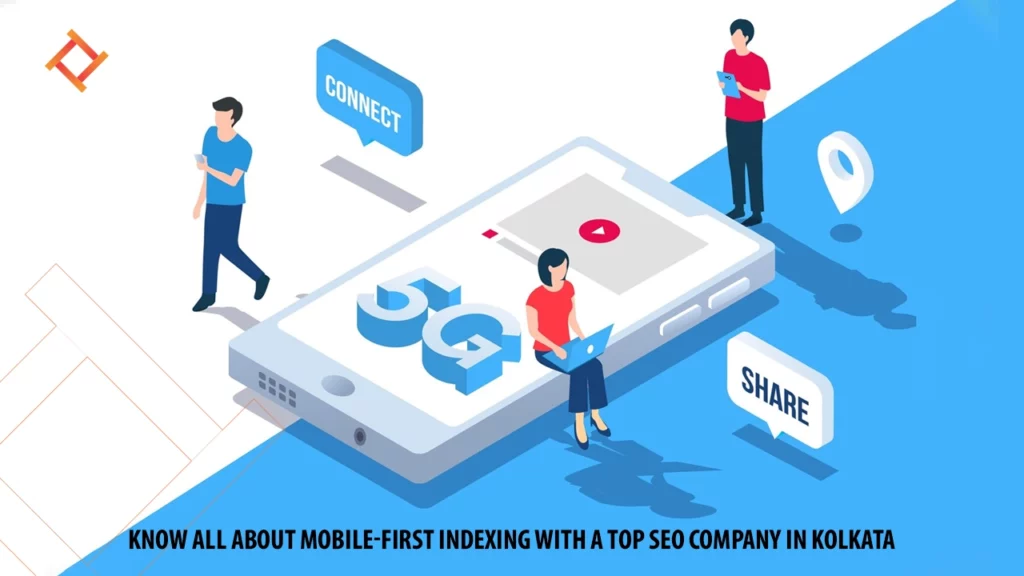
Mobile-First Indexing: How SEO Companies in Kolkata Are Adapting to Google’s Mobile-Only Future

Introduction

Let’s cut straight to the chase. Your website is in peril if it still seems and functions as though it was created for desktop computers in the early 2010s. Google doesn’t care how sleek your desktop version is anymore. Before determining your ranking, the search engine behemoth now looks at your mobile-first version. Yes, you read that right: it’s all about mobile-first indexing.

Here’s where the problem starts. Many businesses in Kolkata are still running websites that perform poorly on mobile devices. They load like dial-up connections, buttons overlap, and users bounce faster than students during a boring lecture. This not only frustrates visitors but also kills your search rankings.

But there’s good news. Leading SEO Companies in Kolkata are actively helping businesses adapt to this mobile-only future. They’re making websites responsive, lightning fast, user-friendly, and optimised for both mobile SEO and local searches. From page speed optimisation to mobile usability audits, these experts ensure that businesses stay visible and competitive in Google’s mobile-first world.

So, if you want to understand exactly how Kolkata-based SEO professionals are saving businesses from disappearing into page two of Google (a place no one ever visits), keep reading. By the end of this guide, you’ll have a clear picture of the strategies, tools, and success stories that define the city’s SEO scene.

Understanding Mobile-First Indexing and Its Implications

Let’s start with the basics. Mobile-first indexing SEO means Google primarily uses your mobile site content for indexing and ranking. In the past, Google’s crawler mostly looked at desktop versions. That made sense when desktop searches dominated. But today, mobile traffic is king, making up more than 60% of global searches.

So, what’s the implication for businesses? If your mobile site is stripped-down, incomplete, or worse—non-existent—Google will treat it as your “main site.” That means rankings plummet even if your desktop site looks perfect.

This shift forces companies to focus on mobile optimisation services. It’s not optional anymore; it’s survival. Businesses run the danger of losing organic visibility, clients, and income if they disregard mobile-first indexing.

SEO companies in Kolkata are stepping up by rethinking entire strategies. They ensure the mobile version has the same content parity, metadata, and structure as the desktop version. They also optimise navigation for thumbs, not cursors, and improve readability for smaller screens.

To put it briefly, mobile-first indexing is more than just a Google change. It’s a wake-up call for businesses to stop treating mobile sites like “lite” versions and start treating them as the main digital storefront.

Responsive Web Design: The Cornerstone of Mobile Optimisation

Now let’s talk design. The golden rule for succeeding in a mobile-first world is responsive web design. That means your site adjusts automatically to fit any screen size—whether it’s a laptop, tablet, or the latest 6.9-inch smartphone.

Why does this matter? Because nobody pinches and zooms anymore. If your layout breaks on mobile, users leave. Worse, Google penalises you in mobile search rankings.

SEO Companies in Kolkata understand this very well. They partner with developers to implement mobile-first website design where responsiveness isn’t an afterthought but a foundation. Navigation menus collapse neatly, images resize proportionally, and text stays legible without requiring eagle vision.

Beyond aesthetics, responsive design improves mobile user experience, which directly impacts SEO. Google wants to serve results that people enjoy using. A responsive site signals that you care about usability, and in return, you enjoy higher rankings.

So, if your site still needs a “m.yourdomain.com” to look mobile-friendly, it’s time to stop. Responsive is the only future-proof way forward.

Optimising Page Speed for Mobile Users

Speed kills—or in this case, the lack of it kills your search visibility. On mobile, every extra second your site takes to load increases bounce rates dramatically. Google has made page speed optimisation a critical ranking factor for mobile.

Here’s how SEO services in Kolkata tackle this problem:

  • They compress images without killing quality.
  • They leverage browser caching to reduce server requests.
  • They minimise and defer JavaScript to keep pages lean.
  • They use content delivery networks (CDNs) for faster global delivery.

Another secret weapon is Google’s PageSpeed Insights. It reveals how your site performs on mobile and highlights problem areas. Kolkata agencies use these insights to fine-tune sites for maximum efficiency.

The result? Faster loading times, lower bounce rates, and improved conversions. Keep in mind that mobile users are frequently on the run. They don’t wait around for a slow page to load, and neither does Google.

Ensuring Content Parity Between Mobile and Desktop Versions

One of the biggest mistakes businesses make is trimming content for mobile. They assume users only want “lite” versions. But here’s the truth: Google expects content parity across mobile and desktop.

If your desktop site has detailed product descriptions but your mobile site shows only half the information, Google indexes the shorter version. That hurts your SEO.

SEO companies in Kolkata solve this by ensuring mobile versions carry the same content, structured data, and metadata. They don’t hide essential information, and they make sure internal linking remains intact.

Even technical elements like meta titles, descriptions, and alt texts must remain consistent. Agencies conduct SEO audits to identify discrepancies and fix them before Google notices.

In essence, content parity ensures users and crawlers get the full picture regardless of the device.

Implementing Structured Data for Enhanced Mobile Visibility

Providing Google with structured data about your website is similar to providing them with a cheat sheet. With it, the search engine understands your content better and rewards you with rich snippets—think FAQs, ratings, and product info directly in search results.

Structured data is particularly crucial for mobile SEO. Mobile users appreciate instant information without needing to click multiple links.

SEO companies in Kolkata use schema.org markup to highlight products, reviews, events, and local business details. They implement structured data carefully so it doesn’t slow down the site or cause errors.

By combining structured data implementation with mobile-friendly design, businesses improve their chances of appearing in featured snippets, local packs, and voice search results. More exposure, more clicks, and eventually more conversions result from it.

Addressing Mobile Usability Issues: Common Challenges and Solutions

Even the best-looking websites can fail if they’re frustrating on mobile. Think tiny fonts, buttons too close together, or content spilling off the screen. These are classic mobile usability issues, and they’re killers for both user experience and SEO.

To tackle them, SEO companies in Kolkata run detailed mobile usability audits. They test how real users interact with the site across different devices and networks.

Here’s what they typically fix:

  • Buttons resized for easy thumb taps.
  • Fonts increased for readability.
  • Layouts adjusted to prevent horizontal scrolling.
  • Forms simplified for faster input on small screens.

Agencies also make sure websites pass Google’s Mobile-Friendly Test, which is a direct factor for rankings. By solving these issues, they not only keep Google happy but also ensure visitors enjoy smoother journeys.

Local SEO Considerations for Mobile-First Indexing in Kolkata

Here’s a stat: most mobile searches have local intent. That means people are looking for businesses “near me.” For Kolkata-based companies, ignoring local SEO in a mobile-first world is a missed opportunity.

SEO agencies in the city focus on Google My Business optimisation to ensure clients show up in local packs. They also ensure NAP consistency (Name, Address, Phone Number) across directories so Google trusts the information.

Local keywords like “best SEO company in Tollygaunge”, “digital marketing near Tollygaunge”, “digital marketing company near me” or perhaps “SEO company near me”  are naturally included in content. Agencies also build local backlinks to improve credibility.

By combining mobile-first indexing SEO with local SEO strategies, Kolkata businesses secure visibility exactly where it matters—on the screens of potential nearby customers.

Monitoring and Analysing Mobile Performance Metrics

Mobile optimisation isn’t “set it and forget it.” SEO agencies constantly track mobile performance metrics to ensure strategies work.

Key indicators include:

  • Mobile traffic percentage from Google Analytics.
  • Bounce rate to measure user satisfaction.
  • Conversion rate from mobile devices.
  • Mobile usability reports from Google Search Console.

By analysing this data, SEO companies in Kolkata refine strategies, fix bottlenecks, and test new approaches. For instance, if bounce rates are high, they may tweak the design or improve the mobile user experience. If conversions are low, they may streamline checkout processes.

This data-driven approach ensures long-term success in Google’s mobile-first future.

Adapting to Google’s Mobile-Only Future: Long-Term Strategies

Mobile-first indexing isn’t a passing trend. It’s Google’s long-term direction. So, how are SEO companies in Kolkata preparing for the road ahead?

They’re investing in continuous mobile optimisation services, staying updated with every algorithm tweak, and experimenting with voice search readiness since most voice queries come from mobile.

They also adopt progressive web app (PWA) technologies for app-like mobile experiences without downloads. They’re doubling down on page speed optimisation, responsive design, and mobile-first website design.

In short, they’re building strategies that don’t just react to changes but anticipate them. That’s what keeps businesses competitive in a rapidly mobile-centric digital ecosystem.

Success Stories Through Accountable SEO Services in Kolkata

Let’s make this practical with examples.

  1. Local Restaurant Chain
  • Challenge: The Mobile site loaded slowly, hurting local visibility.
  • Solution: SEO agency compressed images, implemented AMP pages, and optimised Google My Business.
  • Outcome: Mobile traffic increased 70%, and walk-ins grew noticeably.

       2.  E-commerce Startup

  • Challenge: Mobile checkout was clunky, leading to abandoned carts.
  • Solution: The Agency redesigned checkout for mobile-first, fixed structured data implementation, and ran SEO audits.
  • Outcome: Conversion rate improved by 35% within three months.

These success stories prove that adapting to mobile-first indexing isn’t a theory—it’s driving measurable growth for Kolkata businesses.

Conclusion

The key takeaway is that it is corporate suicide to ignore Google’s mobile-first indexing, which is here to stay. Thankfully, SEO Companies in Kolkata are rising to the challenge. They’re delivering responsive designs, lightning-fast pages, structured data, local SEO, and continuous optimisation.

Keeping up with Google isn’t the only reason for the change. It’s about delivering seamless experiences to the millions of users in Kolkata who browse primarily on smartphones. Businesses that embrace this now will lead tomorrow, while those stuck in desktop-first thinking will fade into obscurity.

Hire an Expert When It Comes to SEO!

Don’t let your website fall behind. At Keyline Digitech, we provide an expert SEO Company in Kolkata tailored for the mobile-first era. From mobile usability audits to Google My Business optimisation and full mobile SEO strategies, we make sure your business thrives in Google’s mobile-only future.

Ready to dominate mobile search rankings? Partner with Keyline Digitech today and watch your traffic, leads, and conversions grow.

Frequently Asked Questions

1. What is mobile-first indexing, and why does it matter?

Google ranks your mobile site version based on mobile-first indexing. It matters because most searches happen on mobile.

2. How do SEO companies in Kolkata optimise for mobile SEO?

They implement responsive web design, optimise speed, ensure content parity, fix usability issues, and run SEO audits regularly.

3. Can slow mobile pages affect my Google rankings?

Yes. Poor page speed optimisation increases bounce rates and lowers rankings. Faster sites perform better in mobile search results.

4. What role does local SEO play in mobile-first indexing?

Local searches dominate mobile. Agencies optimise Google My Business, maintain NAP consistency, and use location-specific keywords to boost local visibility.

5. Do I need a separate mobile site for mobile-first indexing?

No. A single responsive web design with consistent content works best. Separate mobile websites can result in indexing and SEO problems.

SEO Company in Kolkata

AI Mode in Google Search: A Guide for SEO Companies in Kolkata

Introduction

Feeling lost with dropping click rates and changing search results? You’re not alone. If you’re an SEO Company in Kolkata, the way people search on Google is shifting faster than Kolkata traffic during Puja season. Google’s new AI Mode, driven by Gemini 2.5, is no longer about those classic ten blue links. Instead, it’s about AI-powered, conversational answers — real-time responses, dynamic citations, and follow-up search interactions built right into the search interface itself.

Here’s the kicker: this means your clients’ traffic is leaking without anyone clicking. No, your strategies aren’t broken. Search itself is evolving—fewer traditional clicks, more zero-click branding AI, and an urgent need for AI snippet inclusion. If you’re not optimising for AI-generated answer positioning, you’re handing visibility to your competitors.

But here’s the upside: Businesses ready to master AI Mode SEO strategies will dominate this new search frontier. In this guide, we’ll crack open Google’s AI Mode, explain the mechanics of query fan-out optimisation and multimodal response in SEO, and deliver actionable tactics to help your Kolkata-based SEO agency ride this AI-powered wave like a pro.

How AI Mode Works: Query Fan-Out and Multimodal Responses

Picture this: a user searches for “best biryani joints near Gariahat.” Google’s AI Mode doesn’t just skim the top 10 sites. It fans out hundreds of sub-queries (aka query fan-out) to multiple databases, forums, review platforms, and image banks. Then, using multimodal response generation, it combines text, images, maps, and conversational context to stitch together an instant answer.

Here’s where it matters to you: Google Gemini search using AI fetches bits from everywhere — your site could get cited, or completely ignored, depending on how you structure your content. To optimise:

  • Use entity-rich content – Highlight exact locations, services, and brand names.
  • Incorporate structured data like FAQs and HowTo schemas for structured data AI Mode relevance.
  • Include diverse content formats (think text, images, infographics) for AI’s multimodal extraction.
  • Ensure clarity – AI seeks concise, specific answers to serve as direct responses.

Bottom line? SEO isn’t just about keywords anymore. It’s about training Google’s AI to trust your content as answer material.

SEO Impacts: Traffic, Visibility & Measurable Shifts

Here’s the harsh reality: organic traffic is dropping. Studies show CTRs from organic search are down by 30% or more since AI Mode launched. And worse? You can’t even track where half your traffic is going. AI Mode delivers responses directly, causing dark traffic and direct visits that bypass traditional tracking.

Instead of old-school metrics, shift focus to:

  • Monitoring AI-driven citation visibility.
  • Tracking inclusion in AI snippet inclusion blocks.
  • Watching keyword appearances in generative engine optimisation outputs.
  • Auditing’s involvement in the GEO reports’ semantic clustering.

Kolkata SEO firms need to redefine success. It’s not about search rankings anymore. It’s about AI presence tracking tools monitoring how often your content feeds Google’s answers.

Optimising Content Structure for AI Visibility

Want Google’s AI to pick your content? Think simple. Think structured. And think directly.

Here’s your action plan:

  • Write in standalone, answer-driven paragraphs to suit passage-level optimisation.
  • Include local embeddings for SEO — Kolkata-specific references, places, and services help AI prioritise your content for regional searches.
  • In order to facilitate multimodal responses in SEO, use images, tables, and videos.
  • Implement structured data across every page for the AI Mode to pull.
  • Avoid jargon and complexity. AI loves clarity and directness.

Remember: AI needs clean, digestible snippets, not long-winded fluff.

Citation Strategy: Earning and Maintaining AI References

Here’s the problem: AI citations are fickle. Google’s AI Mode might cite your page today, and replace you tomorrow. The volatility rate? Over 91%. This isn’t a glitch – it’s how AI Mode works.

To stay visible:

  • Create topical authority clusters using entity-focused subtopics.
  • Reinforce key facts consistently across multiple pages for AI learning.
  • Use schema-enhanced linking for entity-rich content relevance.
  • Build domain authority via backlinks from credible Kolkata-centric sources.

In short, your goal is to keep feeding consistent signals to Google with the aim of conversational search optimisation, so its AI considers your site a trustworthy source for citations, not just once, but repeatedly.

Technical Tactics: Schema, Crawler Control, and Content Governance

Let’s get technical. If your site isn’t AI-friendly, no amount of content can save you.

You need:

  • Schema markup applied religiously. Use FAQ, Article, Breadcrumb, and Local Business schemas.
  • llms.txt implementation: Guide Google’s AI crawlers using Large Language Model directives via llms.txt files.
  • Regular pruning of outdated pages to maintain content freshness.
  • Content consistency checks – AI penalises contradictory data.
  • Ensure crawlability – AI Mode uses standard crawlers, so avoid blocked resources.

SEO companies in Kolkata should bake these into their CMS workflows to future-proof visibility.

Tracking Performance: New Metrics and Dashboard Strategies

Google Analytics won’t help you track AI Mode success. You need custom AI search analytics solutions:

  • Deploy browser-based monitoring to detect AI-generated answer positioning.
  • Use third-party AI presence tracking tools to log citation frequency.
  • Monitor appearance in long-tail conversational phrases to identify AI engagement.
  • Record zero-click branding AI impressions, not just clicks.
  • Create internal dashboards with an emphasis on keyword clustering, citation stability, and snippet visibility.

Forget traffic counts. In AI Mode, visibility equals presence in answers, not positions.

Adapting for Kolkata Clients: Localisation, Language, and Cultural Relevance

Your clients speak Bengali, English, or a mix of both. AI Mode knows this. It uses behavioural persona embedding and local embeddings for SEO to personalise search responses.

Here’s what SEO companies in Kolkata should do:

  • Optimise content for bilingual searches, especially Bengali-English hybrid queries.
  • Include region-specific examples, landmarks, and conversational phrases.
  • Use a localisation strategy to create culturally resonant content.
  • Structure content to address hyperlocal queries like “best South Indian breakfast near Howrah bridge.”

Localisation isn’t optional anymore. AI Mode ranks content based on cultural resonance and language familiarity. If all fails, it is always best to get in touch with a reputed  AI development and SEO company in Kolkata.

Ethical and Strategic Considerations for AI-Driven SEO

There’s a risk that AI could distort your brand’s messaging or hallucinate facts. Scary, right? So, let’s talk ethics.

  • Always fact-check AI-sourced snippets.
  • Maintain transparency in citations and data sourcing.
  • Regularly audit AI-generated snippets to ensure brand accuracy.
  • Communicate AI-driven changes to clients proactively.
  • Enforce ethical AI SEO practices across your agency.

Google’s AI isn’t perfect. SEO companies in Kolkata must monitor how AI represents their clients and intervene when necessary to protect brand integrity.

Conclusion: Positioning Kolkata SEO Agencies for an AI Search Future

Here’s the simple truth: SEO in Kolkata isn’t dying. It’s evolving with many AI development companies on the rise. AI Mode means fewer clicks, but more chances to be part of Google’s answers. The smartest SEO agencies will pivot from keyword stuffing to building structured, multimodal, and answer-friendly content ecosystems.

Adopt structured data AI Mode, focus on AI snippet inclusion, and monitor AI-driven citation visibility. Treat every page as a potential answer source, every client’s content as a knowledge base, and every optimisation effort as a step towards generative search dominance.

Master this AI-powered landscape, and your SEO agency won’t just survive — it’ll lead.

Frequently Asked Questions

1. What is AI Mode in Google Search?

AI Mode is Google’s new search interface powered by Gemini AI, providing conversational, AI-generated answers instead of traditional link lists. It relies on multimodal responses and dynamic citations.

2. How does AI Mode affect SEO companies in Kolkata?

SEO companies must shift focus from traditional rankings to AI citation visibility, structured data optimisation, and content prepared for AI inclusion.

3. What is the llms.txt implementation?

It’s a directive file guiding AI crawlers on how to interact with your site’s content, helping SEO companies control AI indexing and citation priorities.

4. Why are zero-click branding AI interactions important?

Because AI Mode often delivers answers without clicks, your brand’s visibility in these direct responses becomes more valuable than conventional traffic.

5. How can Kolkata SEO agencies monitor their AI Mode performance?

By tracking AI citation frequency, monitoring snippet visibility, and focusing on long-tail conversational queries to gauge inclusion in AI-powered answers.

SEO company in Kolkata

Core Web Vitals: Enhancing User Experience for Better SEO Outcomes in Kolkata

You built a great-looking website. The content is solid. Your keywords are in place. But your bounce rate is sky-high, conversions are flat, and your page is lost somewhere on page four of Google. What gives? The answer is probably hiding in your Core Web Vitals.

For businesses trying to stand out in Kolkata’s busy digital space, ignoring Core Web Vitals (CWV) is like opening a store with a jammed front door and flickering lights. It turns users off. Worse, Google notices—and punishes your search engine ranking accordingly.

That’s where the role of an expert SEO company in Kolkata becomes vital. With Google’s ranking algorithm now putting user experience front and center, your site’s performance isn’t just a tech issue—it’s an SEO one.

This guide breaks down what Core Web Vitals really mean, why they matter, and how improving them can bring better organic traffic growth, improved rankings, and more conversions for your business.

1. Introduction to Core Web Vitals

Google introduced Core Web Vitals as part of its push to make the web faster, more responsive, and less annoying. These metrics are now official search engine ranking factors, measuring how users experience your site in the real world, not just in a lab.

While traditional SEO services in Kolkata focused on backlinks, keywords, and content, CWV shifts the spotlight to website performance optimization. It’s about how fast your site loads, how soon users can interact, and how stable your layout remains as it loads.

If your website is frustrating to use, slow to respond, or jumps around visually, even the best content won’t help. CWV helps businesses deliver a smoother, more enjoyable experience—and get rewarded in Google search results.

2. Breakdown of Core Web Vitals Metrics

Understanding the metrics is crucial for effective technical SEO strategies and actionable improvements.

● Largest Contentful Paint (LCP)

The speed at which the largest element on your page, such as a large heading or hero image, appears is measured by LCP. Ideally, it should load within 2.5 seconds. Slow LCP often results from unoptimized images, render-blocking scripts, or heavy CSS.

Fixing this means tackling page speed improvement with methods like lazy loading, compressing assets, and using faster hosting.

● First Input Delay (FID)

FID tracks how quickly your site responds after someone interacts, like clicking a link or tapping a button. Google recommends FID to be under 100 milliseconds. Slow FID frustrates users and signals poor interactive web elements.

Reducing FID involves minimizing JavaScript execution, deferring non-critical scripts, and leveraging browser caching. These are key elements of any serious SEO audit service.

● Cumulative Layout Shift (CLS)

CLS is the measure of how much your page layout shifts during load. A score under 0.1 is ideal. Think of clicking a button, but it moves mid-click—annoying, right? That’s poor visual stability in web design.

To fix it, always include width and height attributes for images and videos. Avoid dynamically injected content above existing content unless space is reserved.

3. Importance of CWV for Kolkata Businesses

Let’s get real. Kolkata’s digital market is booming. From local cafés to eCommerce giants, everyone wants a slice of the online pie. But standing out is tough.


Improved Core Web Vitals directly influence user satisfaction. Better performance leads to:

● Lower bounce rate because users aren’t stuck waiting for content.

● Higher conversion rate due to a seamless experience.

● Better search engine visibility, thanks to Google’s UX-focused algorithm.

Mobile-friendly website design is especially critical in Kolkata, where a large chunk of users browse on smartphones. Combined with responsive web development and fast-loading pages, CWV helps businesses retain mobile users and reduce drop-offs.

If you’re investing in local SEO services, optimizing CWV ensures your traffic doesn’t leave as soon as it arrives.

4. Role of SEO Companies in Kolkata

Here’s where an expert SEO company in Kolkata makes the difference. They don’t just run keyword research—they dig into the tech. CWV audits are now part of a standard SEO service in Kolkata, especially for serious brands. These agencies offer:

● Website loading speed analysis using tools like Lighthouse and PageSpeed Insights.

● CSS and JavaScript optimization to reduce render-blocking elements.

● Implementation of responsive web development for smoother mobile UX.

● Image and font compression for faster website performance optimization.

● Ongoing technical SEO strategies and on-page SEO optimization that align with CWV standards.

Most importantly, they focus on conversion rate optimization, ensuring that better performance translates into real results.

5. Tools and Techniques for CWV Optimization

Optimizing CWV doesn’t mean you need to be a developer. But knowing the tools and techniques helps you understand the process.

a. Essential Tools

● Google PageSpeed Insights: Gives detailed feedback on CWV metrics and improvement suggestions.

● Lighthouse: An open-source tool for performance, accessibility, and SEO checks.

● Web Vitals Chrome Extension: CWV data updated in real time while you browse.

● Search Console Core Web Vitals Report: Tracks site-wide performance at a URL level.

b. Proven Techniques

● Image optimization: Use modern formats (Webp), compress images, and lazy load them.

● Minimize JavaScript: Remove unused code and defer scripts to improve interactivity.

● Leverage browser caching: Reduce redundant downloads and server calls.

● Implement responsive layouts: Ensure that the design adapts smoothly across devices.

● Use content delivery networks (CDNS): Speed up asset delivery for users across locations.

These methods, when executed properly by a skilled SEO company in Kolkata, make a measurable difference in both rankings and revenue.

6. Case Studies or Success Stories

Take this: a boutique hotel in South Kolkata approached an SEO service provider in Kolkata to fix low traffic, along with bounce rate reduction. Their site had slow load times, poor CLS, and bulky images.

Post CWV-focused optimization:

● Their page speed improved by 48%.
● Bounce rate dropped by 31%.
● Organic traffic grew by 67% in three months.

Another case—an e-commerce fashion brand saw a 24% increase in mobile conversions after responsive web development and LCP fixes.

These examples highlight that CWV isn’t just theory—it’s tangible, revenue-driving improvement.

7. Future of CWV in SEO

Google keeps evolving. Starting in March 2024, First Input Delay (FID) will be replaced by Interaction to Next Paint (INP) as a new metric to better reflect user interaction.

That means businesses must stay proactive. Google algorithm updates are continuous, and CWV metrics will only gain more weight in on-page SEO optimization.

The future demands:

● Continuous monitoring using automated tools.

● Staying up-to-date with web performance analysis trends.

● Working with SEO partners who offer scalable, future-proof strategies.

Ignoring this shift means handing your rankings—and revenue—to your faster-loading competitors.

Conclusion

In a city as vibrant and competitive as Kolkata, your website needs more than great design and clever content. It needs speed. It needs stability. It needs performance.

Optimizing Core Web Vitals bridges the gap between search visibility and user satisfaction. It’s the secret sauce behind reduced bounce rates, higher conversions, and long-term SEO success.

Whether you’re a startup or an established brand, partnering with a reputable SEO company in Kolkata can ensure your site not only ranks but also performs consistently and effectively.

If you’re serious about organic traffic growth, better rankings, and happy users, now’s the time to make Core Web Vitals a core part of your SEO strategy.

Frequently Asked Questions

1. What are Core Web Vitals and their Significance for SEO?

Core Web Vitals are user experience metrics introduced by Google that measure load time, interactivity, and visual stability. They directly affect SEO rankings as part of Google’s algorithm.

2. How can an SEO company in Kolkata help improve my Core Web Vitals?

An SEO company provides technical SEO strategies, conducts website performance optimization, and implements fixes like image compression, JavaScript reduction, and responsive design improvements.

3. What tools are best for measuring Core Web Vitals?

Google PageSpeed Insights, Lighthouse, and the Core Web Vitals report in Search Console are the most effective tools for monitoring these metrics.

4. Will Core Web Vitals continue to impact search engine rankings in the future?

Yes. In fact, from 2024, FID will be replaced by INP, making it even more essential to monitor and optimize user interaction metrics.

5. Is Core Web Vitals optimization only for big websites, or should small businesses in Kolkata care too?

Every business, big or small, benefits from CWV optimization. It improves user experience, reduces bounce rates, and increases conversions, especially with rising mobile traffic in Kolkata.

SEO company in Kolkata

SEO or PPC: Which Digital Marketing Strategy Works Best for Kolkata Businesses? 

Introduction 

Every business in Kolkata wants more customers, better visibility, and higher revenue. The question is—what’s the best way to achieve that? Some swear by search engine optimization services in Kolkata, while others invest heavily in paid advertising. The real battle? SEO vs. PPC. 

Choosing between these two digital marketing strategies can feel like deciding between Rasgulla and Mishti Doi—both are sweet, but each has its unique appeal. SEO ranking solutions promise long-term organic growth, while pay-per-click (PPC) ads give instant visibility. So, which one should your business choose? 

Ignore this debate, and you risk either waiting too long for results or burning through your budget too quickly. Keep reading to understand how SEO services in Kolkata compare with PPC and which strategy makes the most sense for your business goals. 

What is SEO, and Why Do Kolkata Businesses Need It? 

Search engine optimization is the technique of increasing a website’s exposure in search engines such as Google. A reliable SEO company in Kolkata focuses on multiple aspects, including on-page SEO, off-page SEO, and technical SEO. 

On-page SEO optimizes website content, meta descriptions, and keywords for better rankings. 

Off-page SEO involves SEO link-building, backlinks, and social signals to boost authority. 

Technical SEO experts improve website speed, mobile-friendliness, and structured data. 

Think of SEO as planting a mango tree. It takes time to grow, but once it does, it keeps giving you fruit for years with minimal effort. Businesses that invest in local SEO services in Kolkata benefit from increased organic traffic, improved Google My Business optimization, and better customer trust. 

But SEO is not for the impatient. Unlike PPC, it takes months to see results. That’s why many startups and small businesses hesitate, even though SEO for small businesses is one of the most cost-effective ways to build a lasting digital presence. 

What is PPC, and How Can It Help Businesses in Kolkata? 

PPC is like the express train of digital marketing—you pay for a ticket (ad budget), and you reach your destination (top of Google) instantly. 

With PPC, businesses bid on specific keywords, and their ads appear at the top of search results. This strategy works well for businesses looking for immediate traffic and sales. A B2B SEO agency in Kolkata that also handles PPC campaigns ensures that every ad click has a high chance of conversion. 

– Instant visibility: Your business shows up at the top of search results as soon as the campaign goes live. 

– Targeted advertising: You reach the right audience based on demographics, location, and search intent. 

– Quick ROI: Unlike SEO, which takes time, PPC delivers immediate results. 

However, PPC has one major drawback—cost. The moment you stop paying, the traffic disappears. Unlike organic SEO for startups, which builds over time, PPC is like renting attention instead of owning it. 

SEO vs. PPC: A Detailed Comparison 

FactorSEOPPC
CostInitially free but requires time and effortExpensive but delivers immediate traffic
Time to See Results3-6 months (long-term investment)Instant visibility
Traffic SustainabilityContinuous, even if you pause effortsStops the moment you stop paying
Click CostsNo cost per clickYou pay for every click
Trust & CredibilityHigh trust due to organic rankingLower trust as users know it’s a paid ad
Best forLong-term brand growthShort-term promotions, urgent sales

While SEO is best for businesses wanting long-term online visibility, PPC is great for product launches, seasonal sales, and businesses needing quick results. 

When Should Kolkata Businesses Choose SEO? 

Only the best SEO agency in Kolkata would recommend SEO if: 

– Your business wants long-term organic traffic. 

– You want to reduce dependency on paid ads over time. 

– Your budget is limited, and you prefer a sustainable growth strategy. 

– Your business serves a local market, and local SEO services in Kolkata can boost visibility. 

Example: A café in Kolkata investing in Google My Business optimization will benefit from organic local searches, customer reviews, and map visibility without spending on ads daily. 

When Should Kolkata Businesses Choose PPC? 

A PPC campaign works best when: 

– You need immediate traffic and conversions. 

– Your business is launching a new product and needs quick exposure. 

– SEO competition for your keywords is too high, and ranking organically takes too long. 

– You are running time-sensitive offers. 

Example: A seasonal Durga Puja fashion store in Kolkata using PPC ads can generate quick sales before the festive season ends. 

Can SEO and PPC Work Together? 

Absolutely! A smart digital strategy involves both SEO ranking solutions and PPC. While SEO builds long-term traffic, PPC fills in the gaps when you need quick results. 

For example, a search engine optimization service provider in Kolkata may use SEO to rank a website organically while using PPC ads for highly competitive keywords. This way, a business gets visibility in both organic and paid search results. 

Final Verdict: Which One is Right for Your Business? 

The optimal strategy is based on your business goals: 

For long-term success > Choose SEO. 

For immediate visibility > Choose PPC. 

For the highest effect> Use both. 

A reputable SEO company in Kolkata can guide businesses on how to balance both strategies for the best ROI. Whether it’s SEO link-building, content marketing, or PPC campaign management, the key is a well-rounded digital marketing approach. 

Conclusion 

SEO and PPC are not competitors; they are teammates that work together for a stronger digital presence. Kolkata businesses that choose wisely, based on their objectives and budget, will see significant growth online. 

Need expert help? A trusted SEO consultant can analyze your business needs and recommend a customized SEO and PPC strategy that maximizes your results. 

Frequently Asked Questions 

1. Which is more cost-effective: SEO or PPC? 

SEO is cost-effective in the long run because it provides continuous traffic without ongoing ad costs. PPC requires constant spending for visibility. 

2. How long does it take to see SEO results? 

Most businesses see noticeable improvements within 3-6 months, depending on competition and strategy. 

3. Can SEO guarantee the #1 spot on Google? 

No legitimate SEO company in Kolkata can guarantee the #1 spot, as Google’s algorithm constantly changes. However, strong SEO improves ranking over time. 

4. What is the best digital marketing strategy for startups? 

SEO for startups is ideal for long-term growth, but PPC can be used initially to drive traffic quickly. 

5. Do I need an agency for SEO and PPC, or can I do it myself? 

While DIY efforts can work, hiring a B2B SEO agency or SEO consultant ensures professional strategies, better results, and time savings. 

So, what’s your next move—slow and steady SEO growth or instant PPC results? Or maybe both?

SEO Company in Kolkata

SEO Strategies That Work for Kolkata-Based E-Commerce Stores

Introduction

In the contemporary digital age, every e-commerce store in Kolkata is fighting for visibility, online traffic, and higher sales. With thousands of competitors just a click away, standing out in Google’s search results can feel like a never-ending battle. But here’s the good news: SEO companies in Kolkata with their rock-solid SEO strategies are here to rescue Kolkata-based e-commerce stores, ensuring they rise above the competition and attract targeted customers.

As an e-commerce store owner, you may have wondered how to improve your Google ranking and drive more traffic to your website. The answer lies in understanding how SEO services can work for you, helping you achieve measurable growth. In this blog, we will explore the best SEO strategies for e-commerce businesses in Kolkata and how SEO experts can assist in transforming your online store into a high-traffic, revenue-generating powerhouse.

Let’s dive in and discover how effective SEO for e-commerce can take your business to new heights, all while avoiding costly mistakes that could hurt your online presence.

1. On-Page SEO: The Foundation of Your E-Commerce SEO Strategy

If you want your e-commerce store to shine on Google’s search engine results page (SERP), on-page SEO (Search engine optimization) is your first step. This involves optimizing individual product pages, category pages, and even your home page to be more discoverable by search engines.

Key elements of on-page SEO include:

– Keyword Research: Begin with thorough keyword research to identify the keywords your potential customers are searching for. This will include a mix of primary and long-tail keywords related to your products and services. For instance, the best SEO company in Kolkata might be relevant if you are offering SEO services locally.

– Meta Tags & Descriptions: Optimizing meta titles and meta descriptions for each page ensures that search engines clearly understand what your content is about. These elements should include keywords naturally while also providing a compelling reason for users to click.

– Internal Linking: Linking related product pages or blog posts on your website helps search engines crawl and index your pages more effectively. Plus, it improves user experience by guiding customers through your website.

– Image Optimization: E-commerce websites are rich in images, but search engines can’t read them. So, make sure every image is appropriately named with keywords, has alt text, and is optimized for speed.

By investing time and resources in on-page SEO, you’ll make it easier for search engines and customers to find what they’re looking for.

2. Off-Page SEO: Building Authority Beyond Your Website

Off-page SEO aims to increase the authority and credibility of your website, while on-page SEO is crucial. The more reputable sites that link to your e-commerce store, the better your Google ranking will be.

Here’s how to approach off-page SEO:

– Backlink Building: Getting high-quality backlinks from authoritative websites is one of the best ways to improve your SEO ranking. This can be achieved through guest blogging, partnerships, and creating shareable content like infographics or videos that others want to link to.

– Social Media Engagement: Social signals might not directly affect Google rankings, but they can indirectly help increase traffic and brand awareness. Posting regularly on platforms like Facebook, Instagram, and Twitter can create conversations around your brand, leading to more inbound links.

– Influencer Marketing: Partnering with influencers in your industry can boost your credibility and generate backlinks. It’s also a great way to introduce your products to a new, targeted audience.

In a city like Kolkata, leveraging local influencers and bloggers can significantly improve your local SEO services while building trust within your community.

3. Local SEO: Winning the Battle for Local Customers

For e-commerce stores based in Kolkata, local SEO is an absolute game-changer. If your business primarily caters to the Kolkata market, appearing in local search results is crucial. This makes hiring the best SEO agency highly critical for startups.

Here are some tips for utilising Kolkata’s local SEO services:

– Google My Business (GMB): Take control of and improve your listing on Google My Business. Make sure to update it with your latest business hours, address, phone number, and website link. Encourage clients to write reviews because it increases your credibility and local visibility.

– Local Keywords: Include local keywords in your product descriptions, titles, and blog posts. For example, instead of just saying “buy handmade jewellery,” use a variation like “buy handmade jewellery in Kolkata.”

– NAP Consistency: Ensure that your business name, address, and phone number (NAP) are consistent across all online platforms. This helps search engines trust the information they’re gathering about your business.

By focusing on local SEO, you can effectively target customers who are most likely to make purchases from your e-commerce store.

4. Mobile Optimization: Cater to Kolkata’s Smartphone-Obsessed Shoppers

Did you know that over 80% of people in India shop using their smartphones? That’s a lot of potential customers, and if your e-commerce site isn’t mobile-friendly, you’re missing out on valuable traffic and sales.

To ensure your e-commerce store is optimized for mobile users:

– Responsive Design: Make sure your website automatically adjusts to any screen size. This ensures your customers have a smooth shopping experience, no matter what device they’re using.

– Fast Loading Speed: Mobile users are often on the go, and they don’t have time to wait for a slow website to load. Reduce loading times and improve user satisfaction by optimising your scripts and images.

In addition to improving user experience, concentrating on mobile optimization increases your chances of appearing higher in Google’s mobile-first index.

5. Content Creation: The Heart of E-Commerce SEO

Creating valuable, SEO-friendly content is one of the best ways to engage your audience and improve your rankings. From SEO content creation to informative blog posts, content is a critical driver of traffic for e-commerce stores.

Here are a few tips for crafting content that appeals to both search engines and your customers:

– Product Descriptions: Write unique, compelling product descriptions that highlight the benefits of your products. Include keywords naturally while making sure your descriptions speak directly to your customers’ needs.

– Blog Posts: Regularly update your blog with content that educates or entertains your audience. Whether it’s product-related guides, trends, or industry news, blog posts are a great way to target long-tail keywords and improve SEO.

– Customer Reviews: Encourage customers to leave reviews about your products. This user-generated content can significantly improve your SEO efforts and help new customers trust your brand.

By regularly creating valuable content, you can boost your SEO for small businesses and position yourself as an expert in your niche.

Conclusion

To succeed in today’s competitive online market, e-commerce SEO is a must. With the right strategies in place, Kolkata-based stores can thrive in search engine rankings, attracting targeted customers and boosting revenue. By focusing on on-page SEO, off-page SEO, local SEO services in Kolkata, mobile optimization, and SEO content creation, you’ll be well on your way to building a successful e-commerce business.

Remember, SEO isn’t a one-time task; it’s an ongoing process that requires patience and consistency. However, the outcome makes the effort worthwhile. So, if you’re looking to take your e-commerce store to the next level, partnering with the best SEO company in Kolkata can make all the difference.

Frequently Asked Questions

1. What is SEO for e-commerce?

SEO for e-commerce refers to the strategies and techniques used to optimize an online store for search engines, making it easier for potential customers to find and purchase products.

2. How can SEO experts help my Kolkata-based e-commerce store?

SEO experts can help optimize your website, improve your Google rankings, increase organic traffic, and drive sales by implementing effective SEO strategies tailored to your business.

3. What is the role of local SEO services in Kolkata for my e-commerce business?

Local SEO services ensure that your e-commerce store appears in local search results, which is essential for attracting customers within Kolkata and the surrounding areas.

4. Can SEO for small businesses benefit my e-commerce store?

Yes, SEO for small businesses can help e-commerce stores improve their online visibility, attract targeted traffic, and increase conversions by applying local and niche-specific SEO techniques.

5. How much time does it take to see SEO results?

SEO is a long-term investment, and results typically start showing within 3 to 6 months, depending on the competitiveness of your industry and the effectiveness of your SEO efforts.

digital marketing company in Kolkata

SEO vs. Social Media Marketing: What Digital Marketing Companies in Kolkata Are Focusing On

Introduction

In today’s digital-first world, businesses are spoilt for choice when it comes to marketing strategies. However, two powerhouses dominate the scene—SEO (Search Engine Optimization) and social media marketing. While both play crucial roles in online success, choosing the right approach can often feel overwhelming. For businesses in Kolkata, this choice becomes even more critical due to the growing competition and the need for localized strategies.

Many digital marketing companies in Kolkata emphasize striking a balance between these two strategies. Both are essential for attracting audiences, building brand visibility, and driving conversions, but they serve different purposes. Ignoring either of them could mean missed opportunities for online brand promotion to connect with your target market.

In this article, we’ll explore the key aspects of SEO and social media marketing, helping you understand what the best online marketing services in Kolkata are focusing on today.

Understanding SEO and Its Impact on Digital Growth

What is SEO and Why Does It Matter?

Making your website more search engine friendly to improve its ranking on search engine results pages (SERPs) is called search engine optimisation or SEO. It ensures your business appears when potential customers search for relevant products or services online. A top SEO agency in Kolkata focuses on on-page, off-page, and technical SEO to boost visibility, drive organic traffic, and increase website credibility.

SEO is essential for long-term growth. Businesses targeting specific regions benefit from local marketing solutions, which involve optimizing for location-specific keywords like “best coffee shop in Kolkata.” A strong SEO strategy ensures your business remains visible to your audience while competing effectively in the market.

Advantages of SEO

– Cost-Effective Traffic Generation: Unlike paid ads, SEO brings in organic traffic that doesn’t require ongoing ad spend. This makes it an affordable solution for businesses looking to maximize their ROI.

– Builds Credibility and Trust: A high-ranking website signals authority and reliability. For e-commerce brands, SEO and SEM companies in Kolkata combine SEO strategies with paid ads to boost credibility and conversions.

– Drives Long-Term Results: SEO may take time to show results, but once your website ranks high, it can consistently attract visitors without additional investment.

SEO’s Role in Localized Strategies

For businesses in Kolkata, local SEO ensures visibility within the immediate community. Digital agencies often focus on creating content marketing company campaigns that incorporate location-based keywords, local backlinks, and Google My Business optimization. This approach is particularly beneficial for small and mid-sized businesses aiming to dominate local markets.

Social Media Marketing: A Dynamic Tool for Engagement

What is Social Media Marketing?

Social media marketing leverages platforms like Facebook, Instagram, Twitter, and LinkedIn to connect with audiences, promote products, and build brand awareness. With over 4.8 billion social media users globally, it’s no surprise that social media management has become a priority for businesses.

Social media, as opposed to SEO, emphasises relationship-building and real-time engagement with your audience. For example, businesses often use social media advertising to target specific demographics and increase reach. Additionally, creative campaigns involving influencer marketing can amplify brand visibility by tapping into an influencer’s established audience.

Advantages of Social Media Marketing

– Instant Engagement: Social media provides immediate interaction with potential customers through comments, likes, and shares. This is ideal for brands seeking to foster community relationships.

– Highly Targeted Advertising: Platforms offer detailed targeting options based on interests, behaviours, and demographics, making it easy to reach the right audience.

– Boosts Brand Personality: Through creative content like videos, stories, and memes, businesses can showcase their personality and connect with audiences emotionally.

Social Media Trends in Kolkata

Businesses in Kolkata are increasingly investing in social media management to keep up with trends. For example, visually-driven platforms like Instagram are ideal for showcasing products, while LinkedIn is a great space for professional networking and B2B marketing. Digital strategy planning now includes creating short-form video content, running contests, and promoting user-generated content to keep audiences engaged.

Key Differences Between SEO and Social Media Marketing

1. Focus and Objective

SEO focuses on ranking your website higher in search engines, driving organic traffic. Social media marketing, on the other hand, builds brand awareness and fosters audience engagement through social platforms. A successful digital marketing company in Kolkata often integrates both for maximum impact.

2. Timeframe for Results

SEO is a long-term strategy that takes months to deliver significant results. Social media marketing produces quicker, short-term gains through instant visibility and engagement. Performance marketing strategies combine these timelines, ensuring businesses reap both immediate and lasting benefits.

3. Cost Structure

SEO requires upfront investment in content creation, technical optimization, and analytics tools, but it delivers consistent results over time. Social media marketing relies on ad spend and campaign creation for instant reach. Agencies offering affordable digital marketing services often balance these costs effectively.

SEO or Social Media Marketing: Which is Better for Your Business?

Both strategies are essential, but their effectiveness depends on your goals. If you’re looking for sustainable traffic and higher SERP rankings, SEO is the way to go. However, if your focus is on building relationships, driving instant traffic, or launching new products, social media marketing is indispensable. 

Many digital marketing companies in Kolkata suggest integrating both. For example, SEO ensures your website attracts organic traffic, while social media amplifies its reach. Together, they create a comprehensive digital strategy that delivers results across the board.

Why Digital Marketing Companies in Kolkata Excel at Both

Kolkata’s vibrant business ecosystem demands tailored strategies that resonate with diverse audiences. Companies offering e-commerce marketing, email marketing services, and lead generation services have mastered the art of blending SEO and social media marketing to deliver optimal results. By using advanced analytics and creative campaigns, help businesses thrive in competitive markets.

A reputed SEO and SEM company in Kolkata like Keyline Digitech also offer specialized content marketing company services, ensuring businesses maintain a consistent voice across platforms. With their expertise, even small businesses can compete effectively with larger brands.

Conclusion

With the expertise of a leading digital marketing company in Kolkata, businesses can navigate the complexities of SEO and social media marketing to achieve their goals. Whether it’s sustainable growth or instant impact, these strategies pave the way for success in a competitive digital industry.

Frequently Asked Questions

1. How does SEO help small businesses in Kolkata? 

SEO helps small businesses by improving their visibility in search results, driving organic traffic, and building credibility within the local market.

2. Is social media marketing effective for e-commerce businesses? 

Yes, social media marketing is highly effective for e-commerce. It drives traffic to product pages, enhances brand visibility, and boosts sales through targeted ads.

3. Can SEO and social media marketing work together? 

Absolutely. Combining SEO and social media marketing creates a balanced strategy. SEO builds long-term traffic, while social media enhances engagement and reach.

4. What are the most affordable digital marketing strategies for startups? 

For startups, affordable strategies include local SEO, organic social media management, and email marketing. These options deliver high ROI without significant upfront investment.

5. How do digital marketing companies in Kolkata measure campaign success? 

Agencies use tools like Google Analytics and social media insights to track metrics such as traffic, engagement, conversion rates, and ROI. This ensures campaigns remain effective and data-driven.